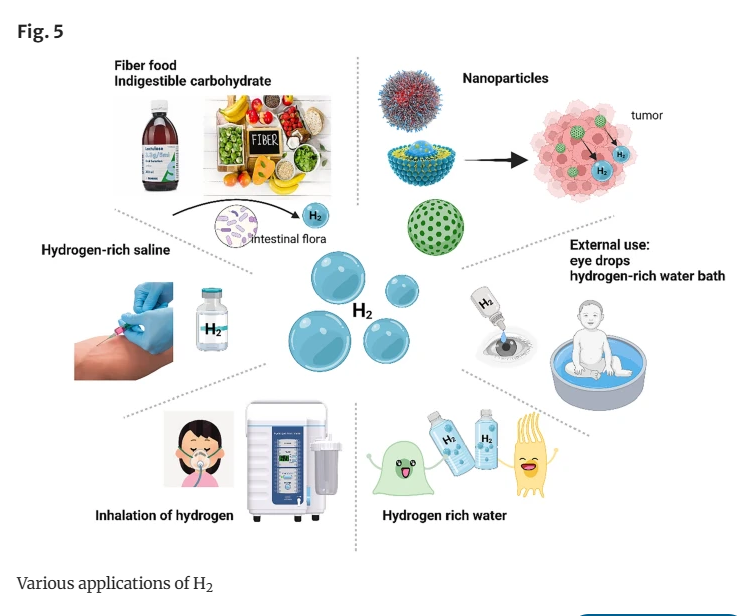
Do you know about hydrogen? Hydrogen, a colorless, odorless, and highly flammable gas, has long been regarded as an industrial raw material or energy carrier. However, with the development of hydrogen medicine, the application of hydrogen in the medical field has gradually attracted attention. In recent years, a large number of studies have shown that hydrogen has multiple health benefits, from improving respiratory function and promoting sleep to anti-inflammatory, anti-oxidant, cell and neuroprotection, showing a wide range of potential application values.
Improve respiratory function
Hydrogen can reduce airway resistance and reduce the infiltration of wall cells of fine and small bronchi, which is helpful for the treatment of respiratory diseases such as emphysema. Hydrogen can also prevent chronic obstructive pulmonary emphysema caused by smoking. By inhaling hydrogen, respiratory function can be significantly improved and the symptoms of respiratory diseases can be alleviated. Promote sleep
Hydrogen has a certain sedative effect on the nervous system, which can relieve stress, depression and improve sleep problems. For people with insomnia or poor sleep quality, hydrogen therapy may provide an effective solution.
Anti-inflammatory effect
Hydrogen is believed to have a significant anti-inflammatory effect. By reducing inflammatory responses, hydrogen can regulate the function of the immune system and have a positive impact on inflammatory-related diseases such as rheumatoid arthritis and inflammatory bowel disease. The anti-inflammatory effect of hydrogen is not only reflected in inhibiting the activity of inflammatory cells, but also in reducing the degree of inflammation by reducing important factors in the inflammatory response.
Antioxidant effect
Hydrogen is a powerful antioxidant that can selectively neutralize free radicals in the body and reduce the damage of reactive oxygen to the body. This antioxidant property makes hydrogen show potential in the auxiliary treatment of cardiovascular and cerebrovascular diseases, liver diseases, lung diseases and other diseases. By inhaling hydrogen, the body's antioxidant capacity can be enhanced and cells can be protected from oxidative damage.
Cell and nerve protection effect Hydrogen has a protective effect on cells and the nervous system, can reduce cell damage and death, and reduce nerve damage and inflammatory response. This has potential benefits for the treatment of neurodegenerative diseases such as Alzheimer's disease and Parkinson's disease. Hydrogen can penetrate the blood-brain barrier and directly act on nerve cells to protect them from damage.
Treatment of hyperuricemia and diabetes
Hydrogen can promote increased renal excretion and reduce the uric acid content in the blood, and has a certain effect on the treatment of hyperuricemia. In addition, after entering the body, hydrogen can promote cell metabolism and increase cell sensitivity to insulin, thereby improving insulin resistance and assisting in lowering blood sugar concentration. It also shows good prospects for the treatment of type 2 diabetes.
Adjuvant treatment of tumors
Hydrogen has a certain auxiliary effect on tumor treatment through its anti-free radical and anti-inflammatory effects. Hydrogen can slow down the development and metastasis of tumors. As an auxiliary treatment for tumors, it can reduce the toxicity and increase the efficacy of radiotherapy and chemotherapy, and reduce the damage to organs during tumors.
Rehabilitation of sequelae of stroke
As a new type of neuroprotectant, hydrogen may play an important role in the rehabilitation of sequelae of stroke. Hydrogen can protect nerve cells from damage and promote the recovery of brain function by reducing the oxidative stress response and inflammatory response of brain tissue.
In this fast-paced era, we often rush for life, but ignore the most important thing-health. Remember, everything can be saved, but health cannot be saved! Diseases have no weather forecast, and prevention is always better than cure. Investing in health is investing in your future and adding a heavy guarantee to your life.
In short, hydrogen, as an emerging medical treatment, is gradually attracting attention and research from the medical community for its multiple health benefits and wide potential application value. With the continuous in-depth development of hydrogen medicine, it is believed that hydrogen will play a more important role in the future medical field.