

Hydrogen molecular medicine is currently a very popular subject at home and abroad. It has been found that hydrogen is effective for almost all diseases caused by oxidative damage in the human body, and has achieved dozens of disease treatment effects in clinical practice.

Oxidation and anti-oxidation, which run through the entire life of a person, have always been an important research direction in the medical community, and the discovery of the biomedical effects of hydrogen molecules has attracted the attention and research expansion of the entire life science community.
When mentioning hydrogen, we must mention the selective antioxidant properties of hydrogen. Oxidative damage is the common basis of many diseases, and reducing oxidative damage is obviously a strategy for treating diseases.
However, a large number of studies in the past have found that many so-called antioxidants do not work effectively.
The root cause is that many antioxidants cannot selectively neutralize toxic free radicals, but instead destroy the redox balance of cells.
As the only selective antioxidant substance at present, hydrogen shoulders the heavy responsibility of anti-oxidation. It is believed that the selective anti-oxidation of hydrogen will bring great help to human health.
1. The impact of redox on life
For humans and aerobic organisms, oxygen is the basis of life activities. Oxygen and reactive oxygen are also toxic molecules for all organisms. Some scientists have also mentioned that people are slowly poisoned by oxygen.
As an irreplaceable substance for energy metabolism, oxygen also produces harmful free radicals during metabolism.
There are five classic reactive oxygen species in organisms, namely superoxide anions, hydrogen peroxide, nitric oxide, hydroxyl free radicals and nitrite anions.
Reactive oxygen is a byproduct of energy metabolism in organisms through the oxidative phosphorylation process. Normal organisms have an autologous system to fight and neutralize free radicals;
Once oxidative damage and disease occur, it is inevitably accompanied by a disorder of cell metabolic balance and the production of excessive reactive oxygen. Oxidative damage is almost the inevitable beginning of all diseases.
Oxidative stress damage occurs in a variety of pathological conditions.
Such as inflammation, ischemia/reperfusion of myocardial infarction or cerebral infarction, organ transplantation, and surgical bleeding cessation. Many chronic diseases such as diabetes, arteriosclerosis and senile dementia also have typical inflammatory reactions and oxidative stress damage.

2. Not all free radicals need to be removed
Although excessive oxidative stress can lead to oxidative damage, reactive oxygen species are molecules with physiological functions. Intracellular redox homeostasis is a delicate balance between reactive oxygen generation and antioxidant systems.
Some reactive oxygen species are signal molecules with physiological functions and participate in regulating various cellular processes. Many cell signaling pathways such as insulin and growth factors are inseparable from the participation of reactive oxygen species.
Oxidative stress itself also belongs to the physiological signal to play a regulatory role. In this molecular regulation, SOD and other active enzymes can play an antioxidant role in the human body, stabilizing the redox balance of the human body.
Recent studies have shown that excessive antioxidants increase cancer mortality and incidence, which may be due to the fact that antioxidants interfere with the necessary body defense mechanisms.
To avoid such situations, ideal antioxidants should be able to relieve excessive oxidative stress without interfering with the stability of oxidative stress in the body.
3. Selective antioxidant effect of hydrogen
In 2007, Professor Shigeo Ohta of Japan Medical University published a paper in Nature Medicine, which provides very clear evidence, whether in cells or chemical solutions;
Hydrogen only reacts with hydroxyl radicals and nitrite anion toxic free radicals, but not with hydrogen peroxide and nitric oxide free radicals. The role of hydrogen in neutralizing toxic free radicals is selective antioxidant.
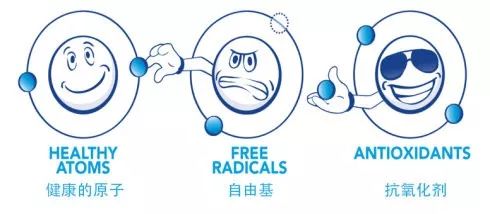
Reactive oxygen is the basis of disease, but most of the reactive oxygen has important physiological functions. Therefore, to control oxidative damage, we must find antioxidants that can selectively neutralize toxic free radicals and retain benign free radicals with physiological functions.
The property of hydrogen selectively reducing toxic free radicals meets the characteristics of selective antioxidants we need.