Inflammation and oxidation are the common pathological basis of many diseases. Since they are pathological basis, they have preventive value. Hydrogen medicine, as a tool to combat oxidative and inflammatory damage, is very suitable for preventing the occurrence and deterioration of diseases.
Let's take a look at the preventive role that hydrogen molecules may play under the pathogenesis of different inflammatory diseases. They are cancer, chronic kidney disease CKD, type 2 diabetes, hepatitis, Parkinson's disease, Alzheimer's disease and hypertension.
1. Cancer
It is now known that it is not cancer and tumor cell proliferation alone that causes cancer, but that this cell proliferation occurs in a microenvironment rich in inflammatory cells and DNA damage promoters, and these inflammatory factors promote cancer risk. Tumor cells produce various cytokines that attract white blood cells, such as neutrophils and macrophages, and cancer cells themselves also produce various pro-inflammatory cytokines.
It has been confirmed that the risk of cancer actually increases with exposure to various infections, which stimulate these white blood cells to be more active to fight pathogens, so more reactive oxygen can be produced, which leads to DNA damage in proliferating cells. Similarly, hydrogen peroxide, a source of ·OH, can also penetrate the nuclear membrane and enter the cell nucleus. When free radicals are generated by the Fenton reaction in the cell nucleus, the DNA chain is cleaved, causing gene mutations. Since hydrogen can also penetrate the nuclear membrane, it can eliminate the ·OH produced in the cell nucleus and protect DNA from damage caused by ·OH. This DNA damage can lead to various permanent gene mutations, which increase the risk and promote tumor spread in the "initiation" stage of cancer.
It has also been reported that major inflammatory pathways involve the activation of transcription factors such as signal transducer and activator of transcription 3 (STAT3) and NF-KB, as well as the activation of NLRP3 inflammasomes, all of which can be inhibited or blocked by hydrogen. Although modern treatments are relatively effective in reducing cancer mortality, there are still major limitations, including the need for personalized treatment of cancer and the occurrence of serious side effects. Accordingly, hydrogen, as a new type of cancer treatment drug, can prevent carcinogenesis and NLRP3 activation and reduce chronic inflammation by eliminating ·OH that induces DNA damage in tumor cells and inhibiting the activation of NF-kB without any side effects.

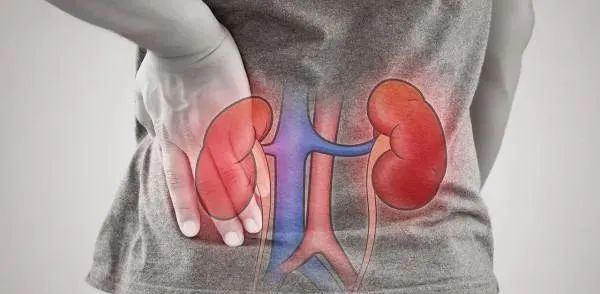
2. Chronic Kidney Disease (CKD)
CKD is one of the leading causes of death worldwide, and it is estimated that more than 10% of the world's population is affected by this disease. CKD is a typical "silent killer" that develops over time with kidney dysfunction, but does not show obvious symptoms until the late stage when kidney function is less than 10%, and the only treatment options are dialysis and kidney transplantation.
We know that the cells that make up the kidney have more mitochondria than cells in other organs because they require more energy to filter the blood and therefore consume more oxygen in the process of energy production. More oxygen consumption means that kidney cells are at greater risk of oxidative stress. In addition, the kidney is an important organ that is associated with the release of metabolic waste, toxins, and pathogens in the blood. Therefore, the NLRP3 inflammasome is very easy to be activated in the kidney due to the continuous exposure of pathogens in the bloodstream to be recognized by macrophages and neutrophils.
In recent years, it has been reported that the activation of the NLRP3 inflammasome is directly involved in the release of proinflammatory cytokines IL-1β and IL-18 in the kidney and the pyroptosis (inflammatory cell death) of renal immune cells. In addition, NLRP3 regulates apoptosis of renal tubular epithelial cells by interacting with mitochondria, where NLRP3 mediates the production of reactive oxygen species through oxidative stress, inducing mitophagy.
Hydrogen shows good prospects as a protective agent for CKD. The permeability and diffusivity of diatomic molecules allow hydrogen to flow blood through the body, allowing it to be filtered to the kidneys and penetrate the mitochondria of kidney cells. By selectively removing ·OH produced by kidney mitochondria, hydrogen prevents renal mitochondrial autophagy, thereby regulating the activation of NLRP3 inflammasomes through reactive oxygen species and controlling the release of proinflammatory cytokines. Due to its effect on the chronic inflammatory root of NLRP3, hydrogen is a new tool to prevent renal dysfunction and the occurrence of chronic kidney disease.
3. Type 2 Diabetes
More than 450 million people worldwide have diabetes, of which about 90% have type 2 diabetes. It is estimated that by 2035, more than 600 million people will have type 2 diabetes, and the risk of this disease increases with age, genetic/epigenetic predisposition, overnutrition and lack of exercise.
The cause of type 2 diabetes is the inability of pancreatic beta cells to secrete enough insulin to eliminate glucose from the blood. As a result, blood sugar levels slowly rise, leading to the development of diabetes. Many mechanisms are associated with the reduction in insulin secretion, many of which are related to inflammatory processes.
Hydrogen plays a key role in both mechanisms as a selective scavenger of reactive oxygen species and the prevention of the NF-kB pathway. Current treatments for diabetes include a wide variety of treatments, including regular exercise and dietary restrictions to maintain health, and injections of insulin into the blood to reduce blood sugar levels. Hydrogen offers a new treatment method that only requires inhalation of hydrogen in order to mitigate the risk of type 2 diabetes.
IV. Hepatitis
It is estimated that about 325 million people have hepatitis B and/or C, the two most common forms of hepatitis, but it is extremely rare for obvious symptoms to be diagnosed with the disease. Vaccines exist for hepatitis A and B viruses in people who are particularly susceptible to the disease, but vaccines for hepatitis C virus are not. In contrast, there are treatments for hepatitis C, but there are no treatments for hepatitis A and B. Therefore, a universal treatment and preventive measures to combat this disease are severely lacking.
In recent studies, mouse models with constitutive NLRP3 activation showed higher levels of severe liver inflammation than those without this mutation. In addition, NLRP3 activation is known to lead to hepatocyte pyroptosis and liver inflammation, which provides a new therapeutic target for the treatment of inflammatory liver diseases. In fact, NLRP3 selective inhibitors, such as MCC950 and NR1D1, have been shown to reduce inflammation levels in these mouse models, thereby preventing intrahepatic hepatitis. Given the ability of hydrogen to modulate NLRP3 activation, it is easy to imagine that inhalation of inert gas may act as a protective agent against hepatitis by inhibiting chronic inflammation in the liver.

5. Alzheimer's disease
Approximately 44 million people suffer from Alzheimer's disease (AD), the most common neurodegenerative disease in the world. AD is caused by the activation of microglia by amyloid β (Aβ) peptides, and the main known cause is brain neuroinflammation, which can lead to symptoms such as memory loss, confusion, and difficulty in dictation.
Many studies have shown that elevated IL-1β levels are associated with Aβ deposition, which is controlled by the activity of capase-1 and NLRP3 inflammasomes. In fact, a mouse model of AD showed that reduced NLRP3 inflammasome activity was actually associated with reduced Aβ deposition, thereby reducing the risk of AD. AD is known as mild cognitive impairment (MCI), a presymptomatic stage before any characteristic symptoms develop into a diagnosed disease. In past clinical studies, hydrogen has actually been shown to treat MCI, so the inert gas presents new prospects as a protective agent against AD.
Hydrogen can penetrate the blood-brain barrier and can eliminate excess reactive oxygen species produced in the brain to prevent the activation of NLRP3 inflammasomes, thereby reducing Aβ deposition, similar to the effect of Aduhelm. Moreover, we know that hydrogen is an inherently safe substance in the human body and does not cause side effects when it clears ·OH in the brain. Therefore, even compared to the recently approved FDA drug Aduhelm, hydrogen may serve as a new protective agent against AD by targeting chronic inflammation that may be caused by Aβ deposition and preventing the pathogenesis of the disease without side effects to the patient itself.

6. Parkinson's disease
Parkinson's disease (PD) is the second most common neurodegenerative disease, affecting more than 10 million people worldwide. It is characterized by the loss of dopaminergic neurons in the substantia nigra of the midbrain, resulting in a deficiency in dopamine levels and symptoms such as tremors, movement disorders, and difficulty speaking.
Although the direct cause of the disease has not yet been discovered, recent studies have shown that the loss of components of the NLRP3 inflammasome that activates microglia, which in turn leads to the production of IL-1β in the brain, leads to a greater risk of PD. In other words, the NLRP3 inflammasome and its components are highly expressed in microglia of PD patients and are regulated by the protein α-synuclein and mitochondrial reactive oxygen species. In addition, we know that oxidative stress-induced mitophagy in dopaminergic neurons also plays an important role in the pathogenesis of PD, with mitochondrial abnormalities and dysfunction leading to a significant decrease in energy production and uncontrolled production of reactive oxygen species, which in turn leads to mitochondrial apoptosis in dopaminergic neurons. Similar to AD, PD is also caused by neurodegeneration, so there is no cure.
Considering the importance of disease prevention, hydrogen is used as a novel protective agent that can modulate the activation of NLRP3 and is also a selective scavenger to prevent oxidative stress in dopaminergic neurons. Since hydrogen, an inert gas, can penetrate the blood-brain barrier, it has great prospects in preventing PD, unlike most contemporary brain drugs.
VII. Hypertension
It is estimated that more than 1.13 billion people worldwide suffer from hypertension, which is defined as systolic blood pressure above 140 mmHg and diastolic blood pressure above 90 mmHg. However, as a typical "silent killer", people usually ignore its existence because there are no obvious symptoms.
In humans, blood pressure is controlled by the renin-angiotensin-aldosterone system (RAAS) and the sympathetic nervous system through the release of blood pressure regulating hormones. Any abnormality in the homeostatic function of these systems disrupts the release of hormones, thereby affecting the regulation of blood pressure. It has been reported that high salt intake can induce NLRP3-mediated inflammation in the brain, and the hypothalamus controls the RAAS and the sympathetic nervous system is located in the hypothalamus. As a result, neuroinflammation leads to sympathetic nerve excitation and RAAS activation, excessive hormone secretion, and thus increased blood pressure.
Because of its small molecular diameter, a characteristic property of hydrogen is that it can pass through the blood-brain barrier. Therefore, inhaled hydrogen can flow through the blood to the brain to prevent neuroinflammation, and therefore, hydrogen can regulate RAAS and the sympathetic nervous system to prevent hypertension.
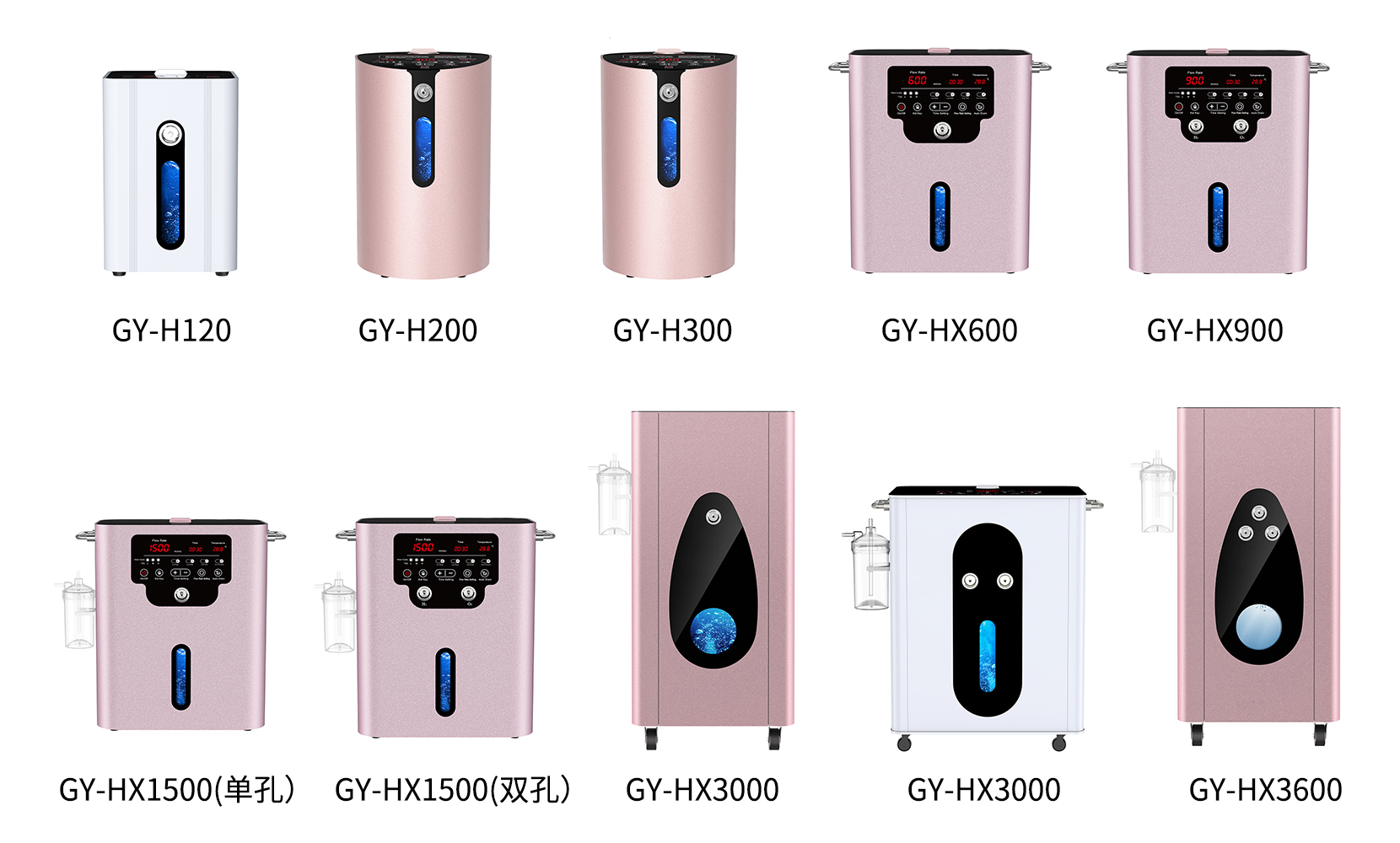
There are many hydrogen health products on the market, such as hydrogen gas inhalers, hydrogen water machines, hydrogen molecule medicines pills, hydrogen water bottles, etc. Different hydrogen health products are suitable for different health problems. Suyzeko has been manufacturing hydrogen health products since 2013. We can offer you free information services to help you choose the most suitable products. We have hydrogen inhalers with different flow rates, portable rechargeable hydrogen water bottles, hydrogen water bath machines, etc. We are waiting for your further information here!!!