

Imagine a small shelf-top device with the power to slow mind-robbing diseases, ease joint inflammation, and revitalize aging cells. This is no fantasy—it’s the promise of SPE (Solid Polymer Electrolyte) hydrogen-gas generation inhalers, a technology quietly reshaping healthcare. As global labs, clinics, and governments explore its potential, one question remains: could this humble tool be the breakthrough we’ve awaited?
A Ray of Hope for Neurodegenerative Disease Patients
Neurodegenerative diseases like Alzheimer’s and Parkinson’s devastate millions, eroding memory and independence. But 2024 brought hope: a Neurobiology of Aging study found early-stage Alzheimer’s patients using an SPE hydrogen inhaler (99.99% pure, 300ml/min) showed slower cognitive decline. Over six months, their MMSE scores dropped by just 1.2 points, vs. 3.5 in the control group. While larger trials are needed, the results offer promise—potentially granting more time with loved ones and preserving identity.
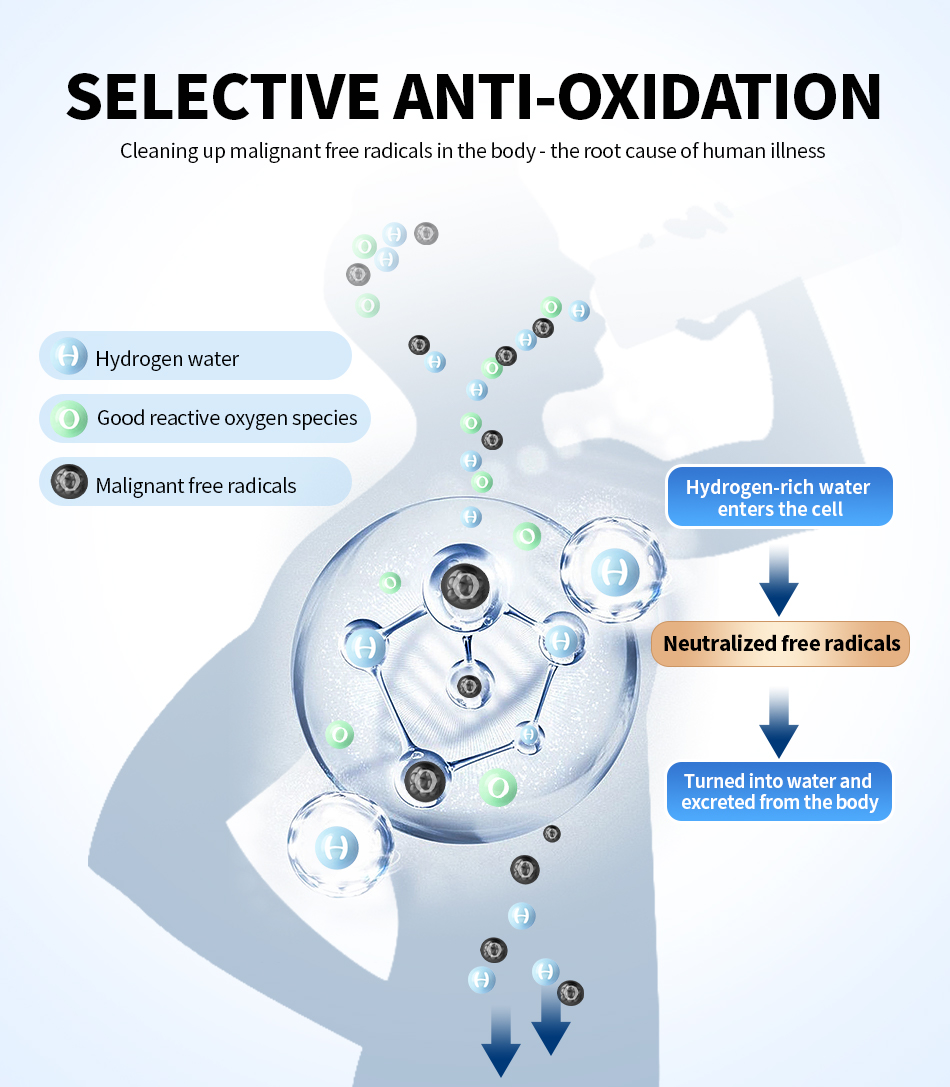
Tackling Oxidative Stress—A Global Health Concern
Oxidative stress, linked to arthritis, heart disease, and more, may meet its match in hydrogen. A 2024 Free Radical Biology and Medicine study showed healthy volunteers using an SPE generator (1447ml/min hydrogen-oxygen mix) had sharply reduced blood ROS levels, with effects lasting 24 hours. This could revolutionize chronic disease prevention, offering a path to healthier lives worldwide.
International Collaboration Fuels Innovation
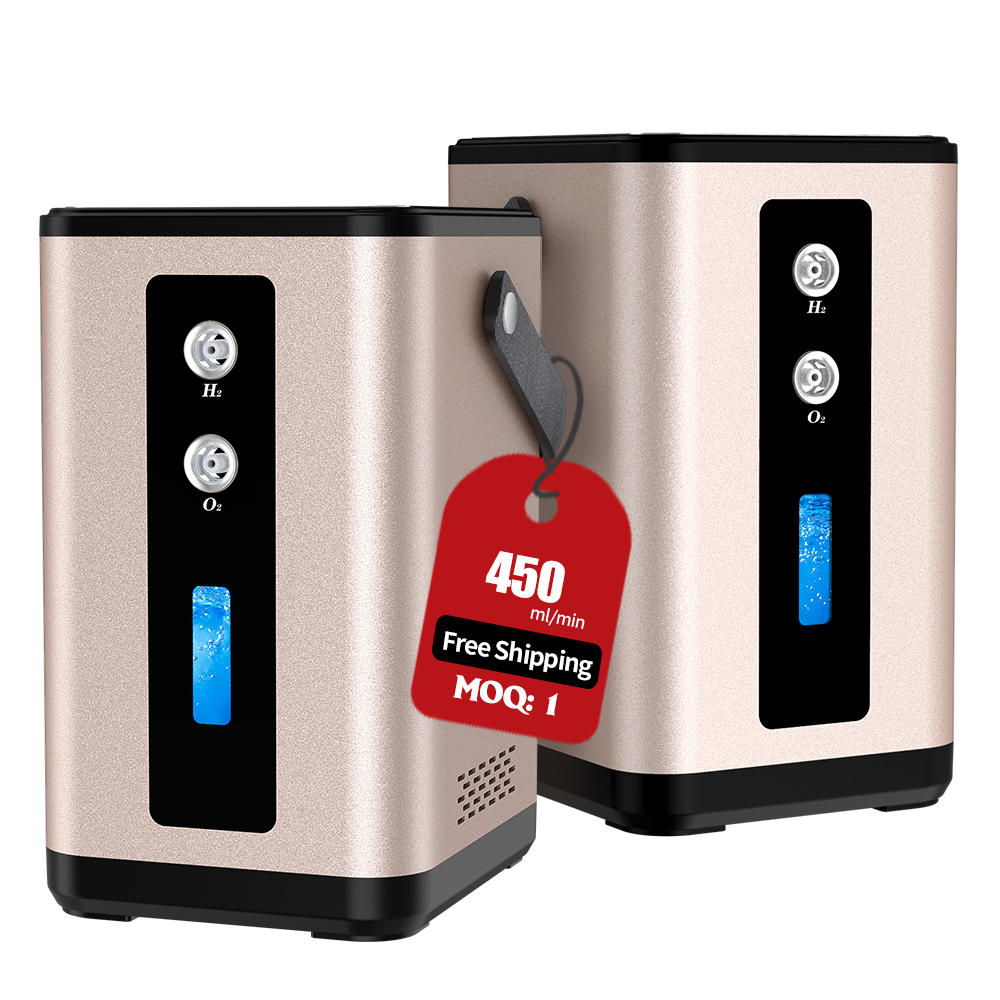
Science thrives on global teamwork, and SPE hydrogen inhalers are no exception. In 2024, Shanghai’s Nanobarber and Nanjing Drum Tower Hospital made waves in Free Radical Biology and Medicine: their SPE-equipped NB-X71A machine protected neurons in subarachnoid hemorrhage patients by stopping ferroptosis. The findings sparked collaborations between Chinese and international teams, with researchers from Seoul to Boston sharing data to refine the technology—proving unity accelerates healing.
Regulatory Support and Market Growth
Governments are paving the way for hydrogen in healthcare. South Korea’s relaxed hydrogen station rules aid portable inhaler access. China’s “14th Five-Year Plan” invests in hydrogen medicine, with the 2025 Beijing Hydrogen Energy Conference highlighting its medical uses. Japan may include hydrogen inhalation in health insurance, with a 2025 pilot plan.
This momentum drives growth: the global portable hydrogen inhaler market could hit $1.895 billion by 2031. Chinese firms like EHM Group and Mintech lead, making devices precise yet accessible as research advances.
The journey of SPE hydrogen inhalers is just beginning. Each step—from labs to living rooms, collaborations to policy—brings us closer to a future where this technology joins vaccines and pacemakers as a healthcare cornerstone. For those battling neurodegeneration, inflammation, or seeking new treatments, that future can’t come soon enough.